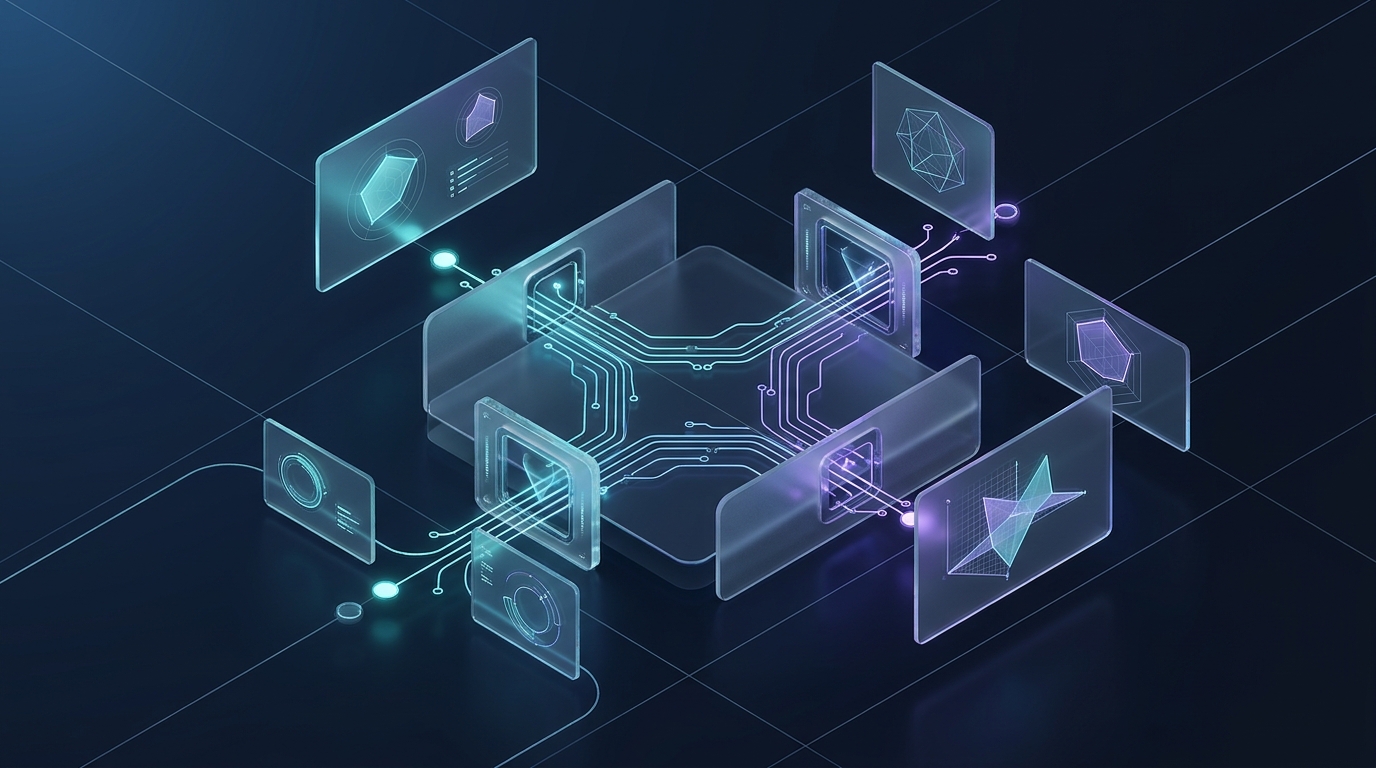
Eval-Driven Development in the AI Lifecycle: Beyond Vibe Checks to Production Rigor
In non-deterministic AI agents and LLM applications, standard unit tests break down. Eval-Driven Development (EDD) establishes objective, reproducible evaluation suites that replace 'vibe checks' with multi-tiered assertions, agentic trajectory metrics, and a continuous telemetry flywheel across the AI Development Life Cycle (ADLC).
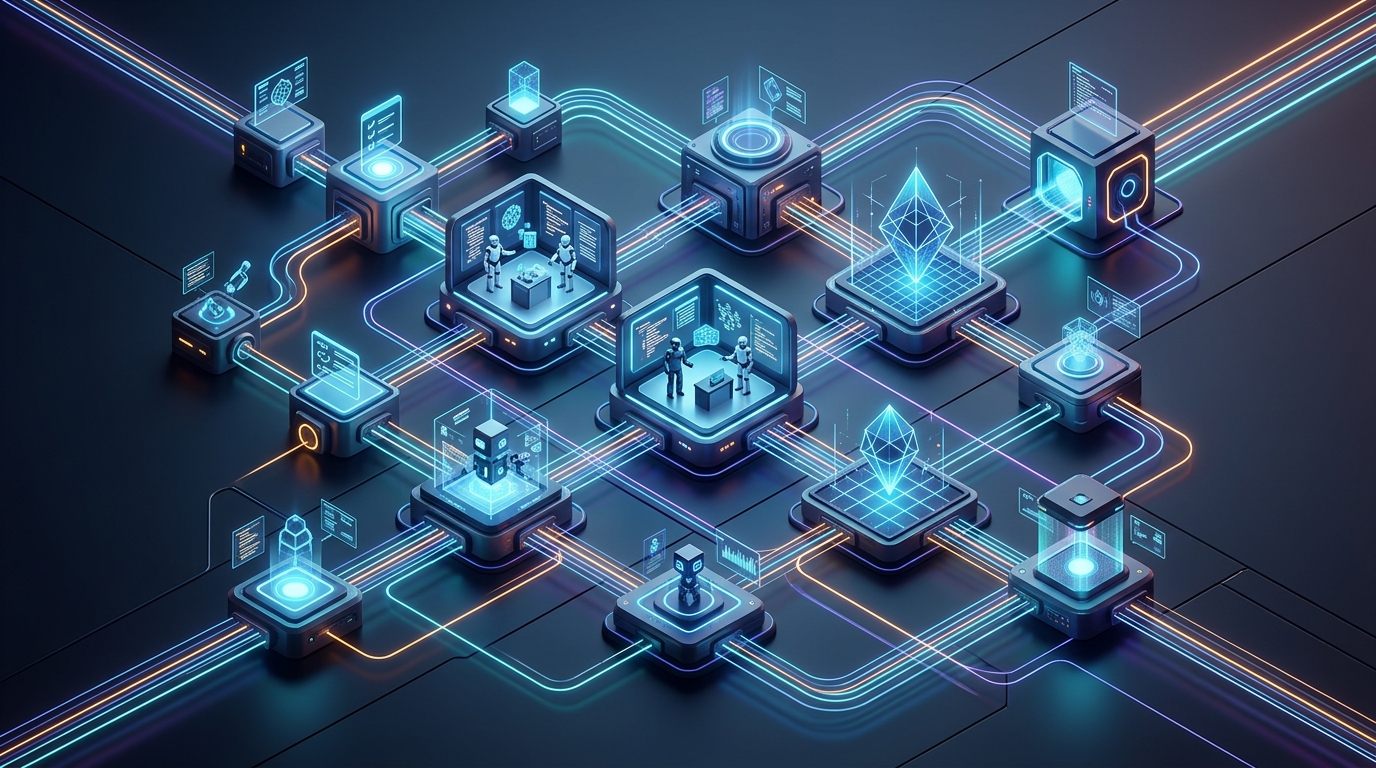
The Agentic Development Life Cycle: Beyond TDD to Evaluation-Driven Development (EDD)
Writing code is only 20% of software engineering. As autonomous multi-agent pipelines take over the journey from PRD to production, traditional TDD and BDD are no longer sufficient to govern the macro lifecycle. Enter Evaluation-Driven Development (EDD)—where rubric scoring, automated evals, and strategic human gates tame the chaos of probabilistic software systems.
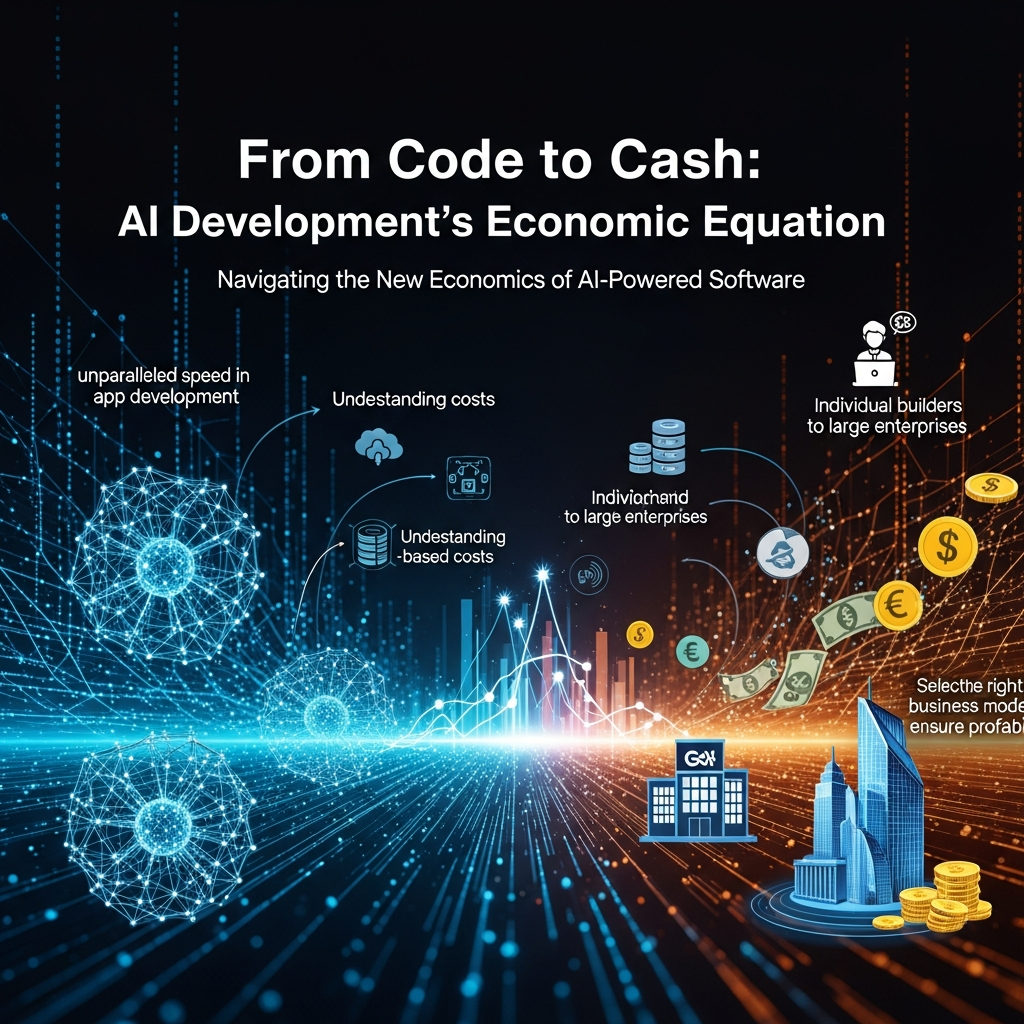
From Code to Cash: Mastering AI Development's Economic Equation
AI coding tools offer unparalleled speed in app development, but true success hinges not just on productivity, but on understanding token-based costs and selecting the right business model to ensure profitability. This post explores how individual builders to large enterprises are navigating the new economics of AI-powered software.
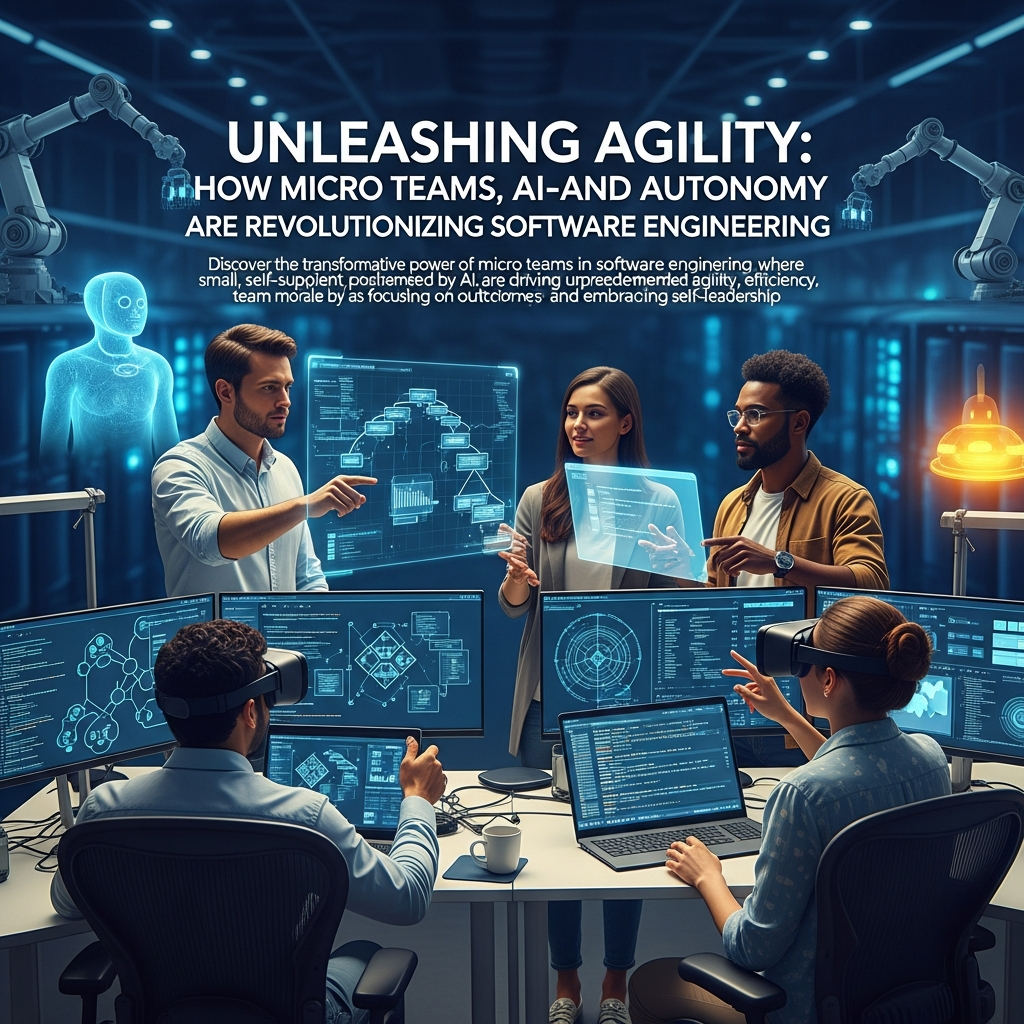
Unleashing Agility: How Micro Teams, AI, and Autonomy are Revolutionizing Software Engineering
Discover the transformative power of micro teams in software engineering, where small, self-sufficient pods, augmented by AI, are driving unprecedented agility, efficiency, and team morale by focusing on outcomes and embracing self-leadership.
Decoding AI Agents: Capabilities, Challenges, and a Call for Responsible Governance
AI agents are transforming how we work, excelling in defined tasks but still trailing human intuition in complex research. This post explores their impressive capabilities, the pitfalls of treating them like human employees, the urgent need for robust governance, and critical safety concerns as these autonomous systems rapidly integrate into our businesses.
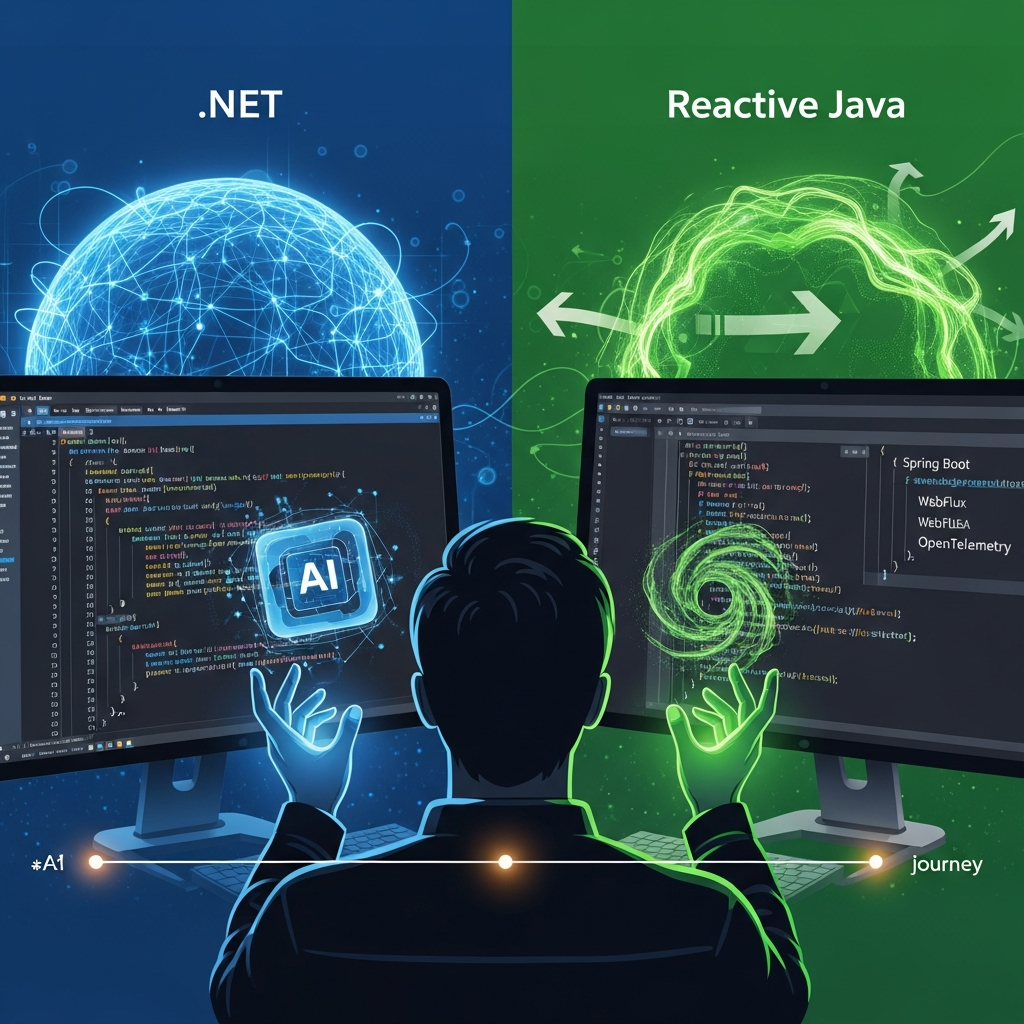
From .NET to Reactive Java: My Agentic Journey to High-Quality Software
Discover how a seasoned .NET developer leveraged agentic coding, specifically with an AI co-pilot, to successfully build a complex Java/React application using Spring Boot, WebFlux, OpenTelemetry, and more. This journey redefines the SDLC, showcasing how AI partnership accelerates learning and delivers high-quality software.
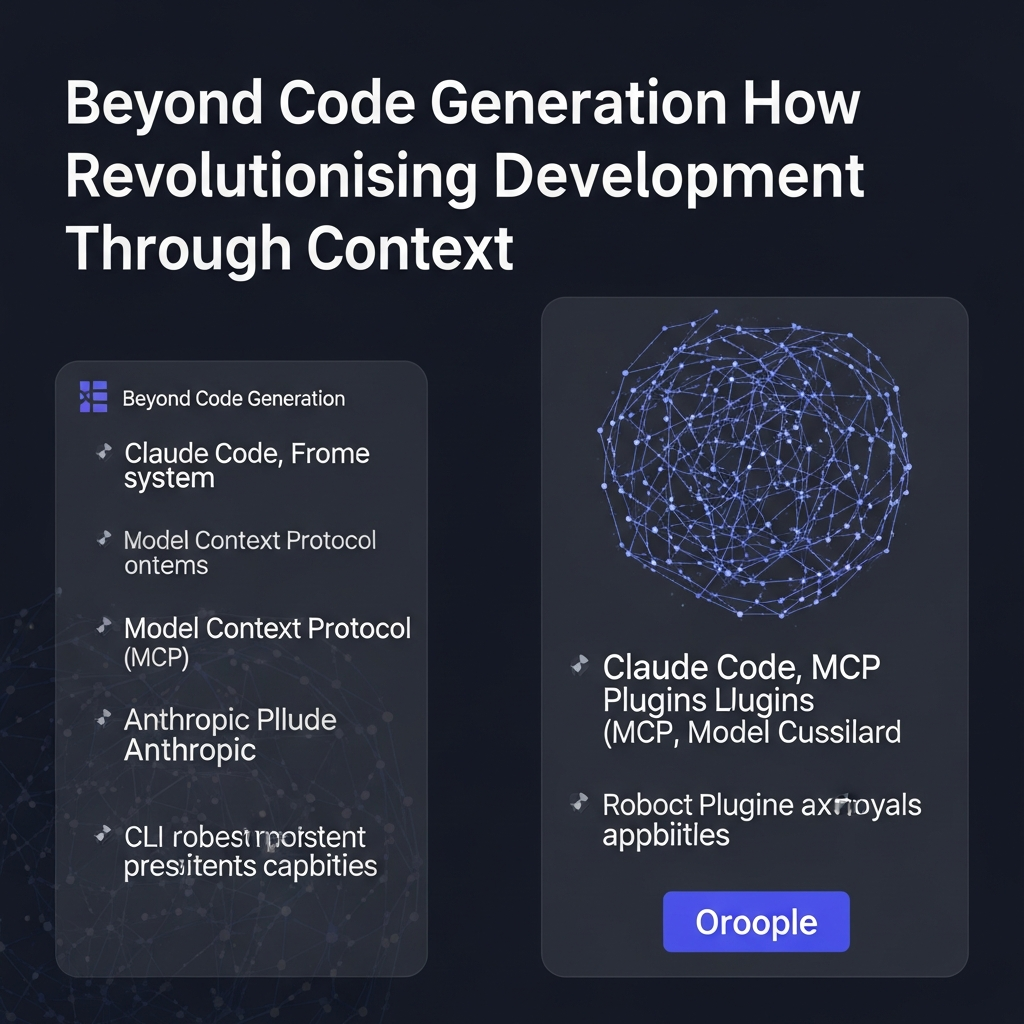
Beyond Code Generation: How Claude Code, MCP, and Plugins Are Revolutionizing AI Development Through Context
The landscape of AI development is rapidly shifting from simple code generation to sophisticated, agentic systems. This post explores how Anthropic's Claude Code, powered by innovations like the Model Context Protocol (MCP), Command Line Interfaces (CLI), and robust plugin architecture, is leading this charge by prioritizing persistent context and autonomous capabilities.
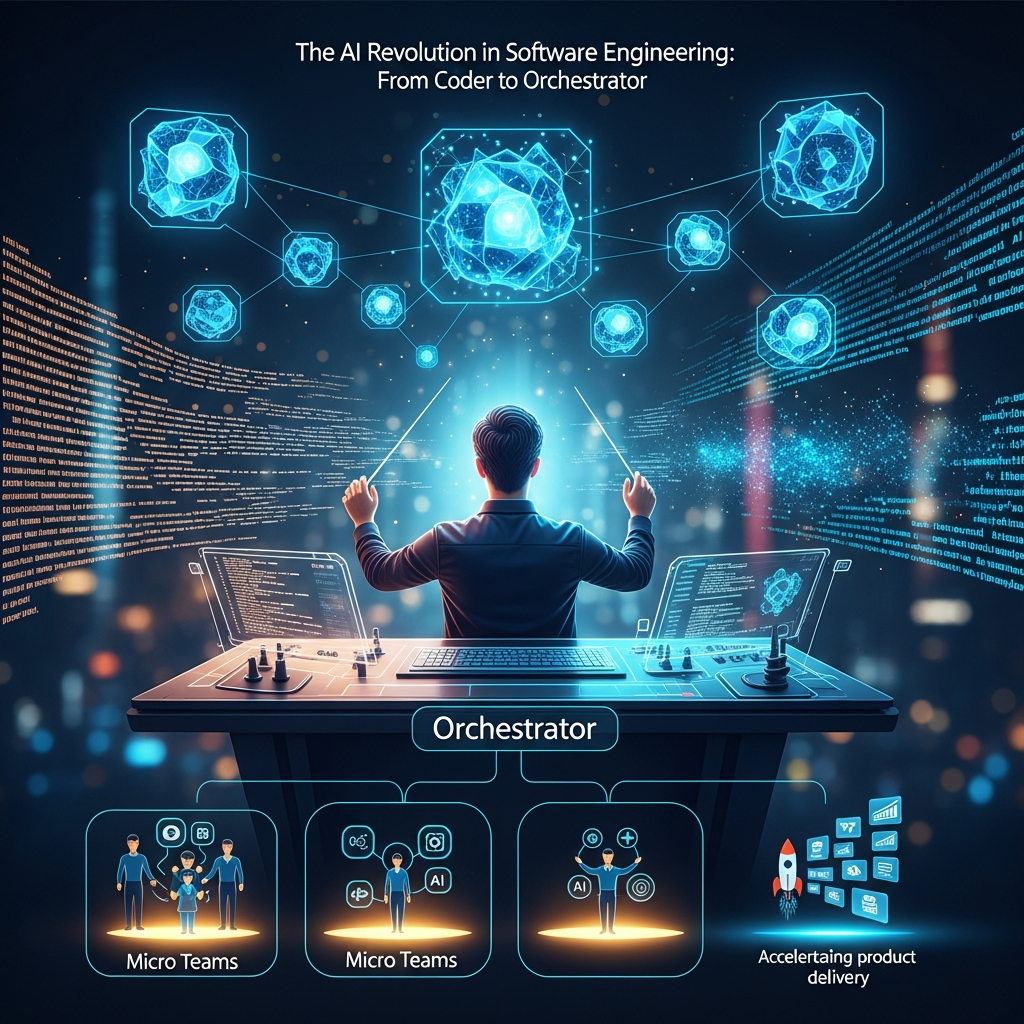
The AI Revolution in Software Engineering: From Coder to Orchestrator
The landscape of software engineering is rapidly transforming with AI coding, shifting the developer's role from writing code to managing intelligent agents. Discover how human expertise remains crucial, how 'micro teams' are redefining productivity, and how AI is accelerating product delivery to unprecedented levels.

DeepSeek OCR: Compressing Vision, Expanding Insights – A New Era for Document Processing
DeepSeek OCR introduces a groundbreaking approach to document processing, leveraging 'advanced visual-text compression.' This isn't about shrinking file sizes; it's about intelligently transforming complex visual document information into structured, semantic data. Discover how this innovative technology revolutionizes text extraction and document understanding.

The Rise of Tiny AI: TRM Redefines Efficient Reasoning for Complex Puzzles
Discover how the Tiny Recursive Model (TRM), a streamlined successor to the Hierarchical Reasoning Model (HRM), is revolutionizing complex reasoning in AI. Operating with a fraction of the parameters of large language models, TRM delivers superior performance and efficiency, proving that sometimes, less truly is more.